Creating a Personal Brand by Becoming More Yourself
How building a website helped me see the connections between my work, interests, upbringing, and the person I’m still becoming.
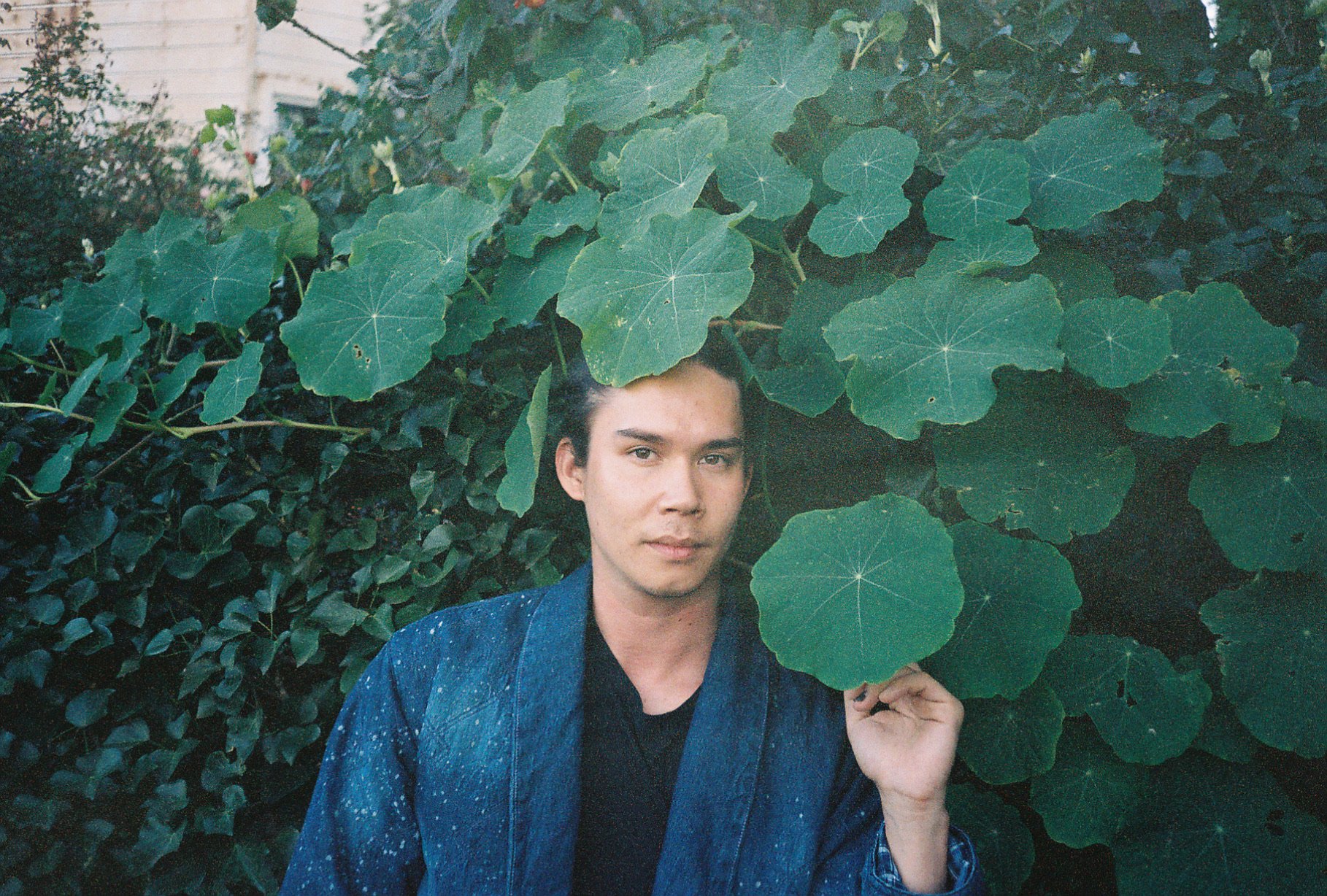
Portrait with a nasturtium leaf, photographed on 35mm film.
Over the past several months, I’ve been building a website to bring together my marketing work, writing, photography, and the projects I care about. At first, I saw it as a practical career project. I needed a portfolio, a place to explain what I do, and a way for potential clients or employers to learn more about me.
But somewhere between choosing case studies and rewriting my About page for what felt like the hundredth time, the process became more personal. I wasn’t only deciding how to present my work, but trying to understand what connected all of it.
When people talk about creating a personal brand, the advice usually begins with finding a niche, choosing content pillars, developing a visual identity, and posting consistently. Those things can be helpful, but they felt like the wrong starting point for me.
I wasn’t creating an identity from scratch. Instead, I was beginning to recognize one that had already formed.
Recognizing What Was Already There
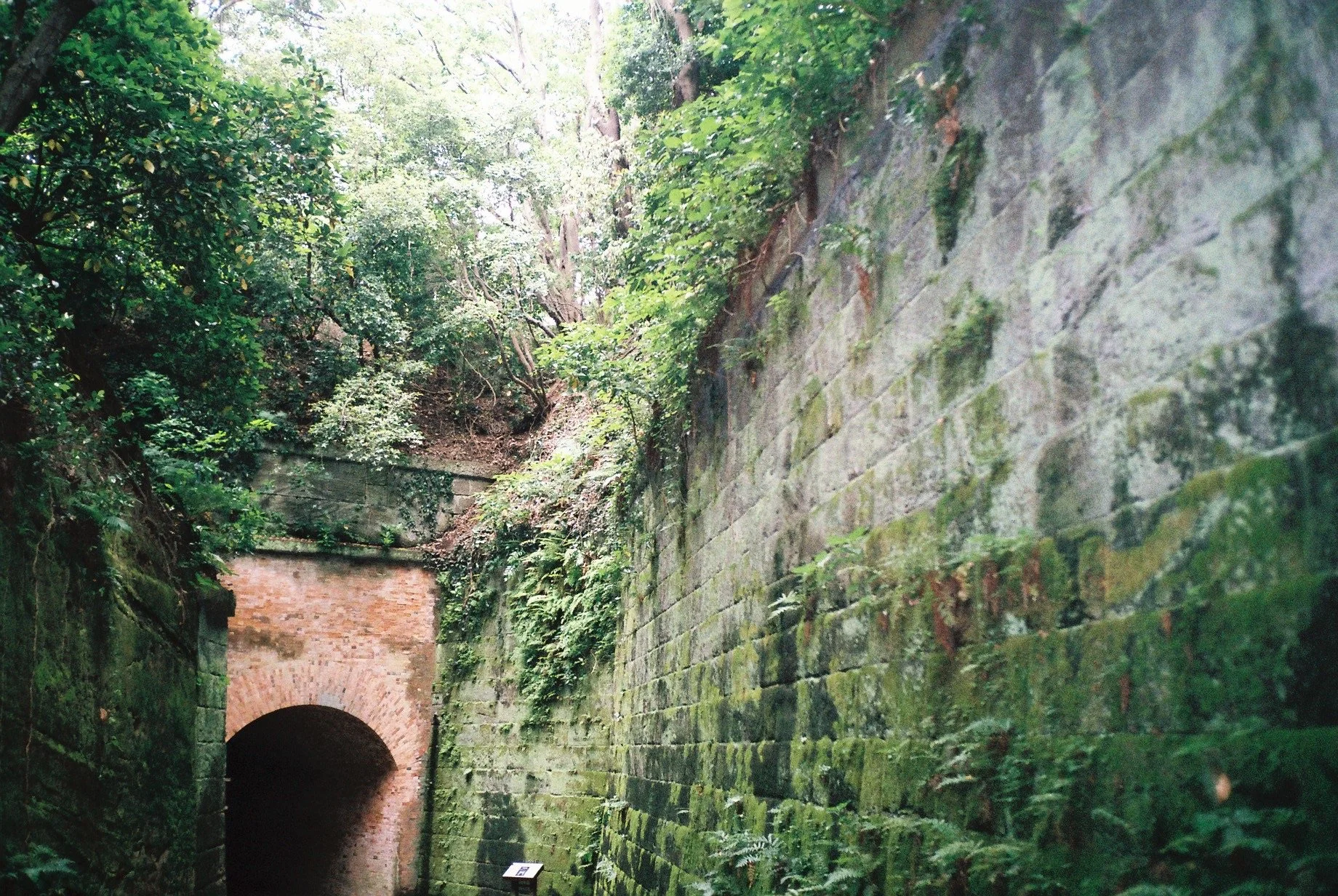
Nature and history overlapping on Sarushima in Yokosuka, Japan, photographed at 35mm.
To me, creating a personal brand means becoming more intentional about how the things you already care about, create, and contribute are understood by other people. It includes what you share online, but it is larger than a website, color palette, or social media strategy. It also comes from what people have learned to expect from you over time.
Friends and people who follow me online already tend to associate me with parks, photography, environmental issues, nostalgic memories, and spending a lot of time outdoors. Words like “outdoorsy,” “wholesome,” and “thoughtful” come up often.
I never sat down and selected those qualities for myself. They developed through what I naturally returned to and shared.
My personal Instagram has become a loose record of park trips, film photographs, camping weekends, music, friendships, family, and places that have mattered to me. Even the playlists I make often serve as a way to preserve a particular drive, relationship, trip, or period of my life.
I tend to experience a place twice: once while I am there and again through photographs, research, music, and memory. I want to learn about its history, think about who I was with, and understand why the experience stayed with me. Sharing those moments isn’t only a way of showing people what I did. Documenting them helps me understand what they meant.
None of this began as a content strategy. But beneath these individual interests, I started to recognize the same attention to people, place, nature, culture, and memory. Together, they may be the most honest foundation for my personal brand.
Finding the Connection Between Different Interests
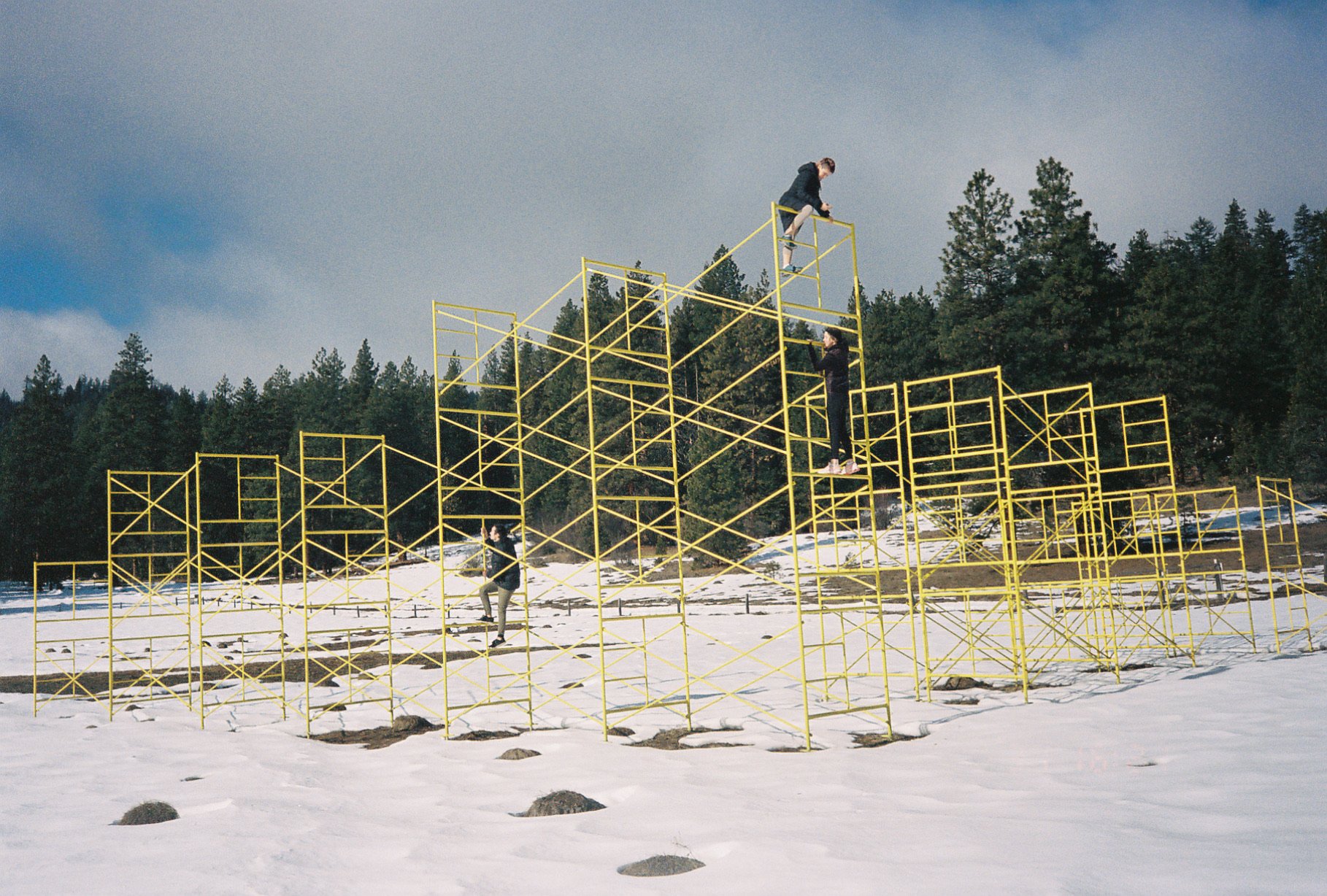
‘A Yellow Scaffold on the Ranch’ by Avantika Bawa at Willow-Witt Ranch near Ashland, Oregon, photographed on 35mm film.
One of my biggest concerns was whether my interests were too broad. Photography, anthropology, environmental justice, public lands, music, marketing, and personal reflections do not fit neatly into one category. I could have chosen one subject and removed everything that did not support it, but that would have created a much flatter version of myself.
Instead, I started asking what these interests allow me to explore. Photography helps me preserve how a place or moment felt. Anthropology gives me a way to think about culture, identity, and relationships. Marketing helps me turn complex ideas into stories people can understand and act on. Parks have helped me understand that my love of nature is also about history, access, responsibility, justice, and community.
The subjects may change, but I tend to approach them with the same curiosity. Recognizing that connection made me less concerned about fitting everything into one narrow niche.
Understanding Where My Perspective Came From
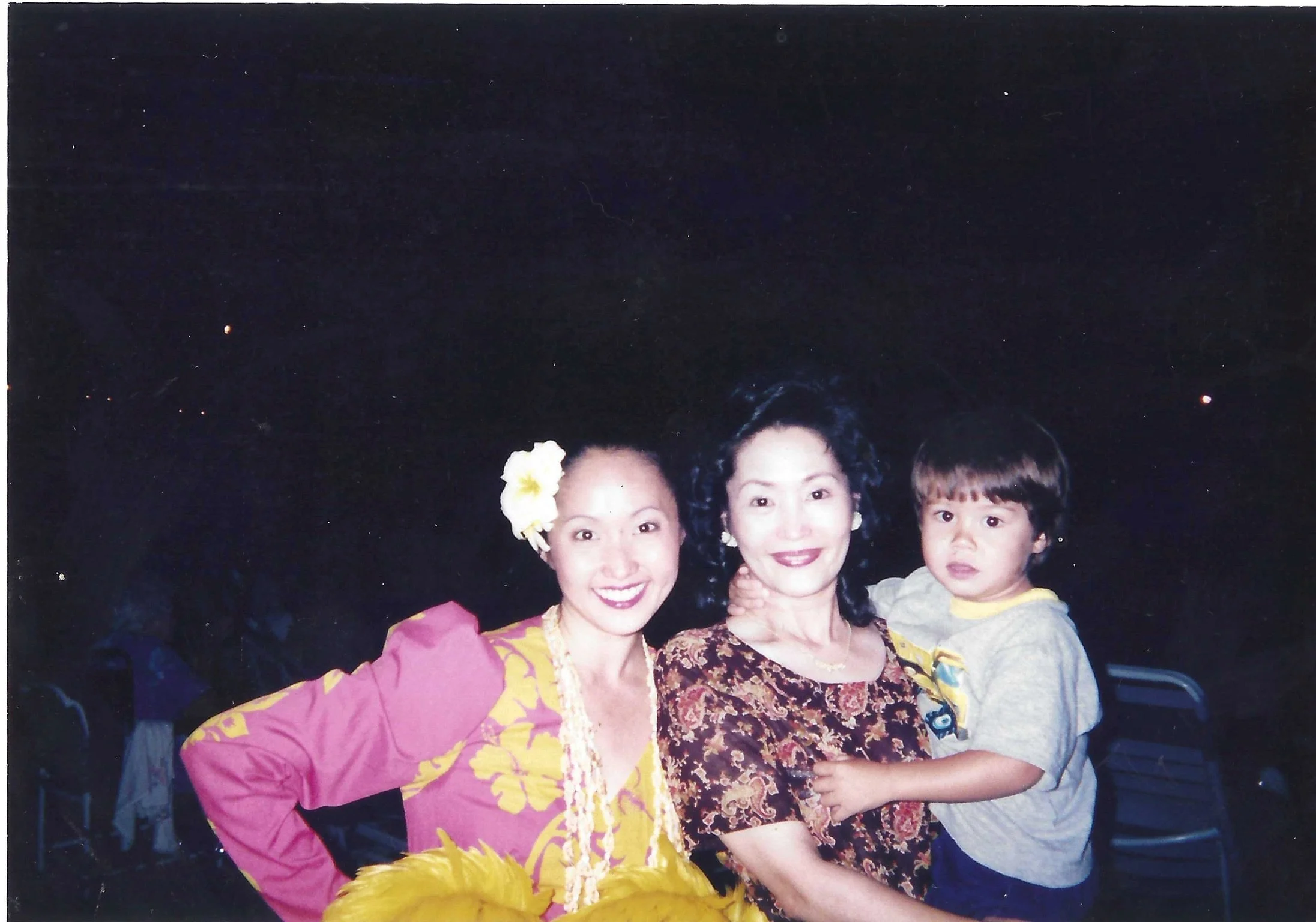
Three generations together: my mom in hula attire, my grandmother visiting from Japan, and me as a child.
Growing up between Hawaiʻi, Japan, and California shaped how I understand people and place.
Family camping trips, Boy Scouts, and Kamehameha Schools’ Hoʻomākaʻikaʻi program introduced me to the outdoors and hands-on cultural and ʻāina-based learning. I also grew up learning about my family’s roots in Japan and California and the history of Hawaiʻi.
Those experiences taught me to pay attention to the histories and relationships connected to a landscape, not only what it looks like.
Studying anthropology at the University of California, Santa Cruz gave me a way to explore questions I had already begun asking. I contributed to research involving climate change, marine plastic pollution, and the Anthropocene. My senior thesis explored the relationship between Hawaiʻi and Japan through my mother’s and grandmother’s connections to hula. It was an academic project, but it also became a way to preserve part of my family’s story.
Anthropology taught me to slow down, listen, and understand context before drawing conclusions. It gave structure to a kind of curiosity I already carried with me.
My first meaningful marketing experience came later at the Hawaiʻi Symphony Orchestra. I created posters, managed digital channels, and helped the orchestra connect with new and returning audiences. That experience showed me that storytelling could do more than promote an event. It could help people understand why an organization mattered and invite them into its community.
Looking back, the transition from anthropology to marketing wasn’t as dramatic as it might appear. Both ask me to understand people, identify meaning, and communicate it clearly.
When Personal Interests Strengthen Professional Work
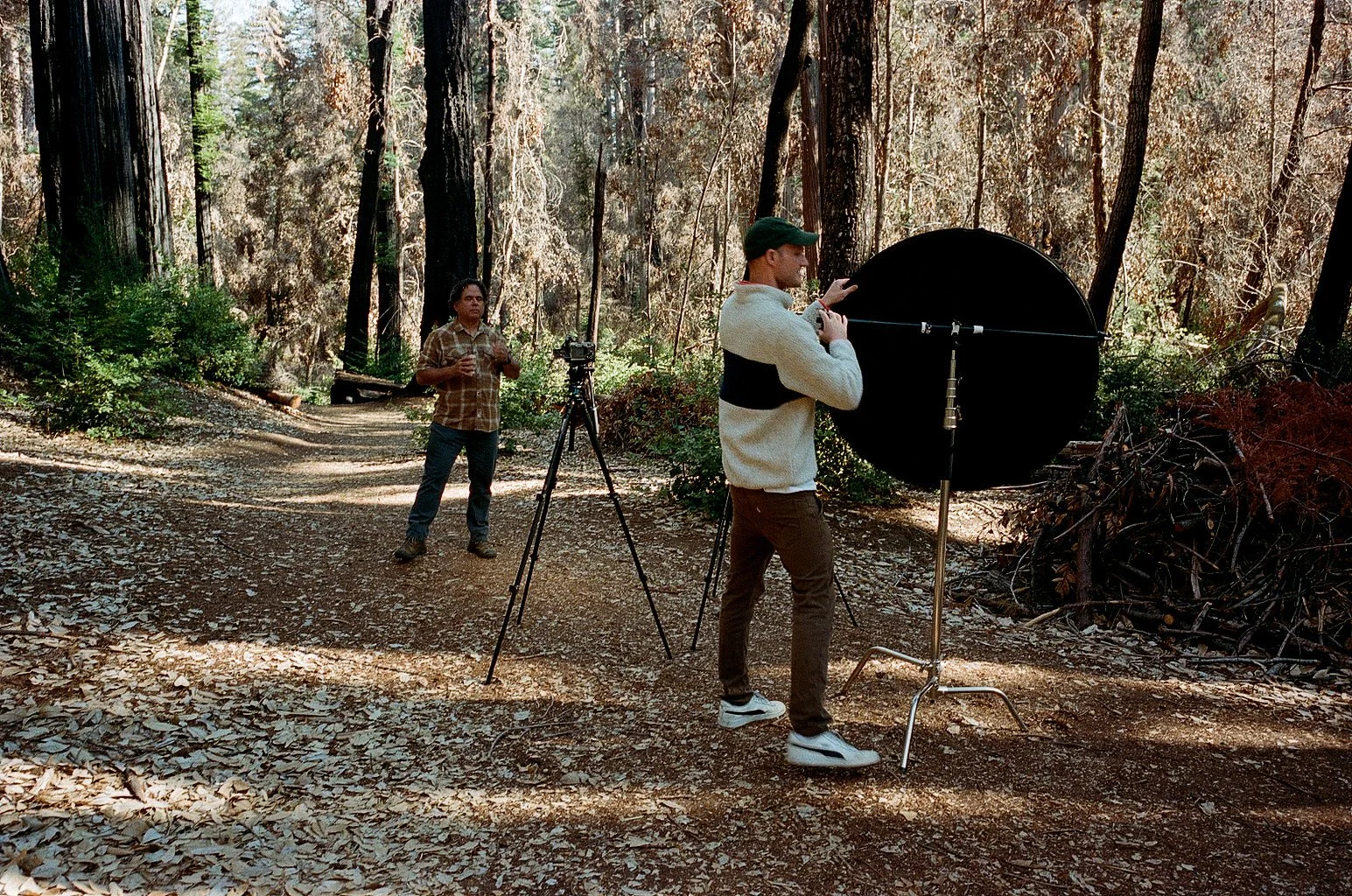
Behind the scenes with my coworkers while filming a story about wildfire recovery at Big Basin Redwoods State Park in 2022, photographed on 35mm film.
For a long time, I thought professionalism required some separation between who I was personally and the work I produced. My interests could influence my career, but I didn’t necessarily think of them as professional strengths.
My work with California State Parks Foundation has challenged that assumption. My interest in parks isn’t limited to my job. I visit them in my free time, photograph them, volunteer in them, learn about their ecosystems, and plan trips around them. Becoming a Certified California Naturalist gave me another way to deepen that relationship.
When my passion for state parks was recognized as a strength in my recent performance review, it clarified something for me. Caring personally about the subject has made me more invested in understanding it and communicating it well.
That connection affects how I approach a campaign. I want to understand the people we are trying to reach, the history behind an issue, what action we are asking them to take, and why they should care. I also want to know what happened afterward. Did people read, click, donate, volunteer, advocate, or feel more connected to a place?
Data helps me understand whether something worked. Storytelling helps me communicate why it matters.
What I’ve Learned from My Mom
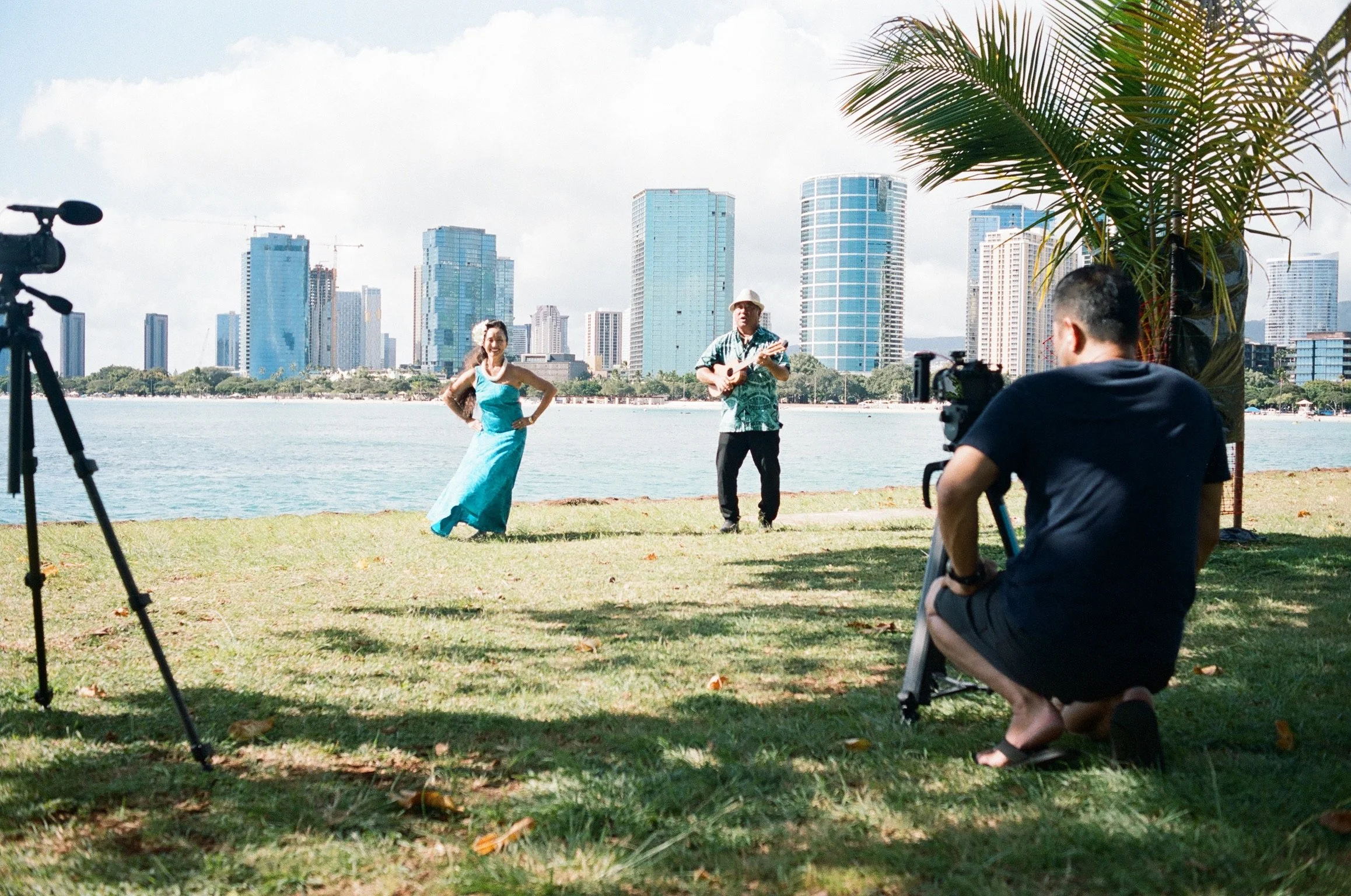
My mom performing hula alongside a musician during a video shoot at Magic Island on Oʻahu, Hawaiʻi, photographed in 35mm.
I have also thought about personal branding through watching my mom build her own public identity.
Her work grew through hula, teaching, performance, community relationships, and her role connecting Hawaiʻi and Japan. More recently, that story has continued through her participation in the Mrs. Universe pageant in 2024.
Her public identity wasn’t created during a single branding exercise. It accumulated through years of meaningful work, cultural knowledge, and relationships. Over time, people came to understand what she represented because it was already present in how she lived and what she contributed.
I’m not trying to recreate her path, but I recognize something familiar in it. Her primary mediums have been hula and performance. Mine may be communications, photography, writing, public lands, and community storytelling.
We are finding different ways to connect the places and experiences that shaped us with the work we want to contribute.
Authenticity Doesn’t Require Sharing Everything
Building a personal brand has also made me think more carefully about what should remain personal.
Relationships, finances, health, career uncertainty, and other private experiences have all influenced the person I’m becoming. They have helped me understand what I value, what stability means to me, how I want to care for myself, and the kinds of relationships and work I want in my life.
That doesn’t mean every experience needs to become a blog post. Some stories are still unfolding. Some memories belong partly to other people. Others are meaningful precisely because they remain private.
Everything can shape what I create without becoming public content.
For me, authenticity means sharing enough that people can understand how I see the world while maintaining the boundaries I need to keep living beyond what I publish.
Questions That Helped Me Find My Direction
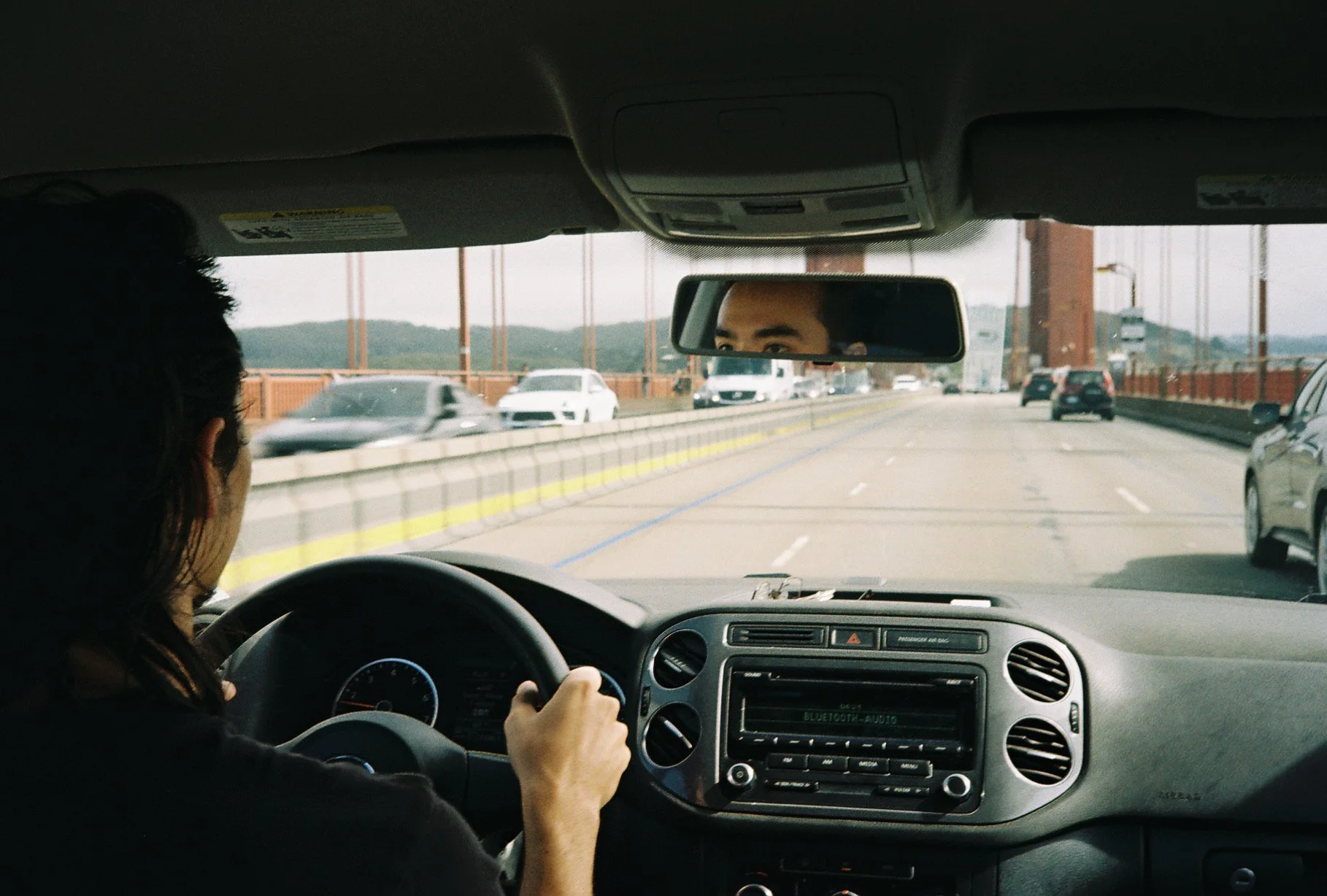
Crossing the Golden Gate Bridge while looking ahead and back, photographed on 35mm film.
I’m still figuring out what I want my personal brand to become, but a few questions helped me move beyond choosing colors, fonts, and content categories:
What do people already associate with me?
What do I return to when nobody assigns it to me?
What values or questions connect my different interests?
What parts of my life do I want to share, and what should remain mine?
How can my website, work, and creative projects express that perspective more intentionally?
I still don’t have a perfectly defined niche, but answering these questions helped me understand what I care about and why these interests belong on the same website.
A website, portfolio, newsletter, or social media presence can help other people recognize those connections. But these are only containers. They cannot create the substance of the story for you.
Creating a Personal Brand That Can Still Change
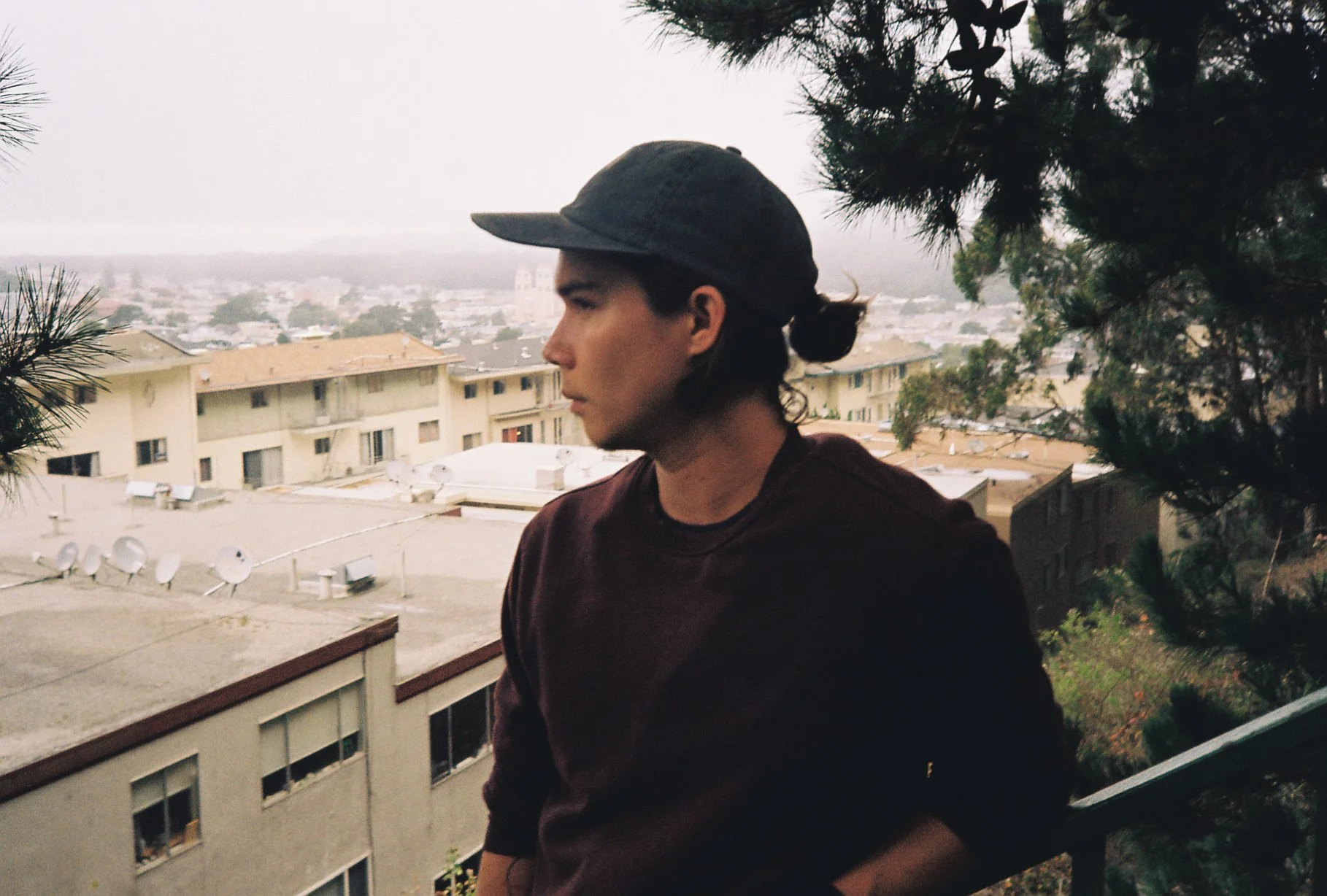
Looking out over San Francisco from Mount Sutro, photographed on 35mm film.
As I get closer to 30, I’ve been reflecting more on how much I’ve changed throughout my twenties.
There have been relationships, career decisions, financial lessons, races, trips, hobbies, friendships, mistakes, and periods when I didn’t know exactly where I was going. Much of this decade has been spent exploring what I enjoy, what I believe, how I communicate, and the kind of person I want to become.
None of that followed a clear personal branding strategy. Only now can I see some of the connections between experiences that felt separate at the time. I’m still changing. I want my interests to deepen, my work to take new directions, and my perspective to keep evolving.
I thought I was building a website to present my experience more professionally. While putting it together, I started to notice how my upbringing, interests, relationships, work, and values had already influenced what I chose to work on, photograph, write about, and share.
I want the website to leave room for those changes instead of locking me into the person I am right now.
Maybe I haven’t spent my twenties manufacturing a personal brand.
Maybe I’ve spent them becoming someone more recognizable to myself.